
/goal is a real upgrade for agent tooling. It gives the system a measurable completion condition and lets it run until that condition is met, blocked, or judged complete by an evaluator.
That matters, but it is not enough. A goal gives the agent a destination. It does not tell the agent what trade-offs are acceptable, what must never degrade, when to escalate, or which decisions require approval.
Table of contents
Open Table of contents
The useful part of /goal
Both OpenAI and Anthropic have now shipped a /goal-style primitive:
- define a measurable completion condition,
- let the agent continue autonomously,
- stop when the condition is satisfied or the run cannot continue.
In practice, it solves two things:
- It forces the operator to state what success looks like.
- It gives the agent a durable completion target across multiple steps.
That is better than vague tasking like “work on auth.” Still, production failures usually come from underspecified context, not missing destinations.
The core claim
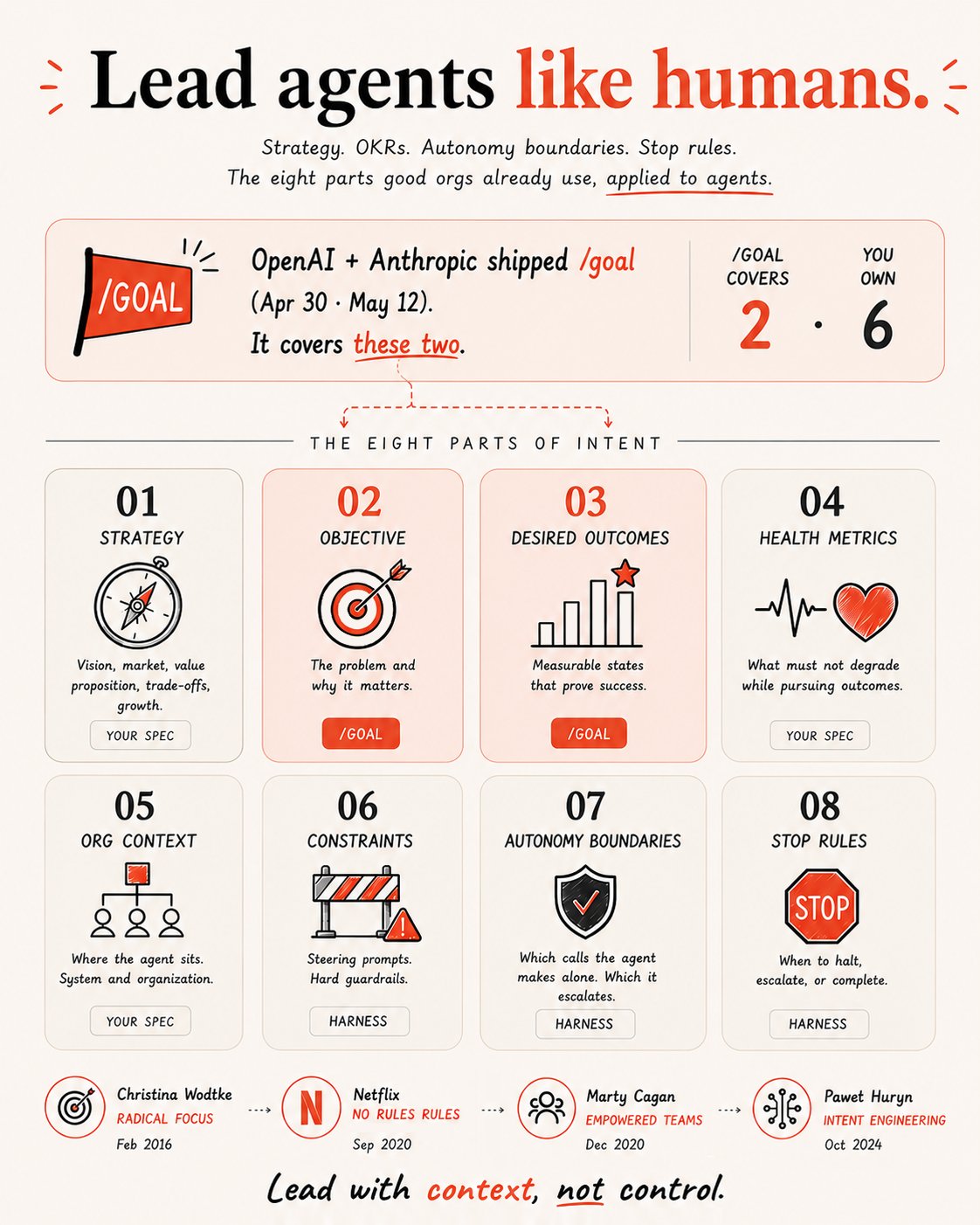
A production agent does not just need a goal. It needs an intent spec with eight parts:
- Strategy
- Objective
- Desired Outcomes
- Health Metrics
- Org Context
- Constraints
- Autonomy Boundaries
- Stop Rules
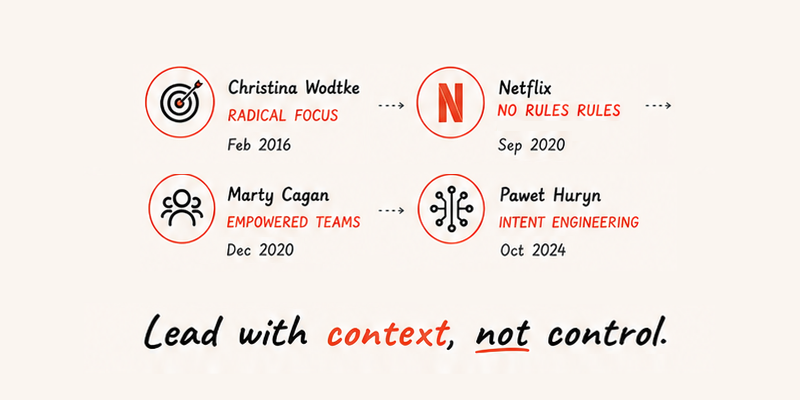
The most important framing move in the original thread is simple: /goal only covers two of these eight layers, and only if the goal is written well.
What /goal actually covers
The strongest use of /goal is not a literal activity target. It is an intent-shaped target.
Weak:
/goal all tests pass and lint is cleanBetter:
/goal ship the auth flow without breaking existing sessionsThe first anchors the task. The second anchors the task and the trade-off.
At its best, /goal covers:
- Objective: what problem is being solved and why it matters
- Desired Outcomes: observable conditions that prove success
Useful, but still only a slice.
The eight parts of a production-ready intent spec
1. Strategy
Strategy is the layer most agent specs skip. It answers:
- What market or user segment matters here?
- What is the product trying to optimize for?
- What trade-offs are acceptable?
- What should the agent protect even when the local task suggests a shortcut?
Without strategy, the agent may complete the task and still violate the direction of the business.
2. Objective
The objective names the problem and explains why it matters.
Weak: “Handle support tickets.”
Better: “Help customers resolve issues quickly without creating more frustration than they started with.”
The second version gives the system something to optimize for beyond throughput.
3. Desired Outcomes
Desired outcomes are observable states, not agent activities:
- the customer confirms the issue is resolved,
- there is no repeat ticket on the same topic within 24 hours,
- the user reports the interaction was helpful.
If the outcome cannot be observed, the run cannot be judged reliably.
4. Health Metrics
Health metrics define what must not degrade while the agent pursues the outcome.
Without health metrics:
- faster resolution becomes rushing,
- fewer escalations becomes reckless handling,
- more throughput becomes lower-quality work.
For example:
- CSAT must stay above 4.2. If trending down, be more conservative.
- Repeat contact rate must not increase. Prioritize resolution quality.
- Escalation quality score must stay stable. Don't under-escalate to hit targets.
These are steering signals, not hard blocks.
5. Org Context
Org context describes where the agent sits in the larger system:
- System context: what tools, queues, humans, and downstream systems are around the agent
- Organizational context: what kind of business, user, and brand the agent is serving
For example:
System: Works alongside human Tier-2 agents and self-serve KB.
Escalations go to human queue with full context.
Outputs feed ticket system and customer health scoring.

Organization: B2B software for enterprise.
Users are non-technical admins under time pressure.
Brand is built on reliability.
Not all of this belongs in the prompt. Some belongs in retrieval or orchestration.
6. Constraints
Many agent implementations blur two different things:
- Steering prompts
- Hard guardrails
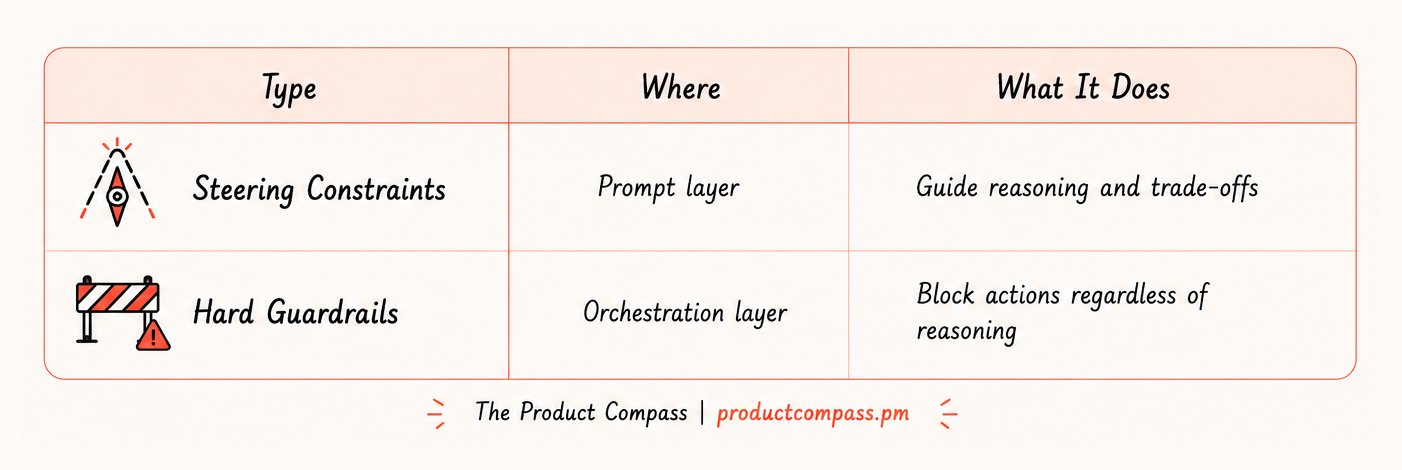
Steering prompts guide behavior:
- be cautious,
- prefer escalation over guessing,
- maintain a calm tone,
- ask clarifying questions early.
They influence reasoning. They do not enforce compliance.
Hard guardrails live in architecture:
- tool restrictions,
- output validation,
- approval gates,
- action gating,
- sandbox permissions,
- data access restrictions.
If violating a constraint is unacceptable, it cannot live only in language. It must live in code.
7. Autonomy Boundaries
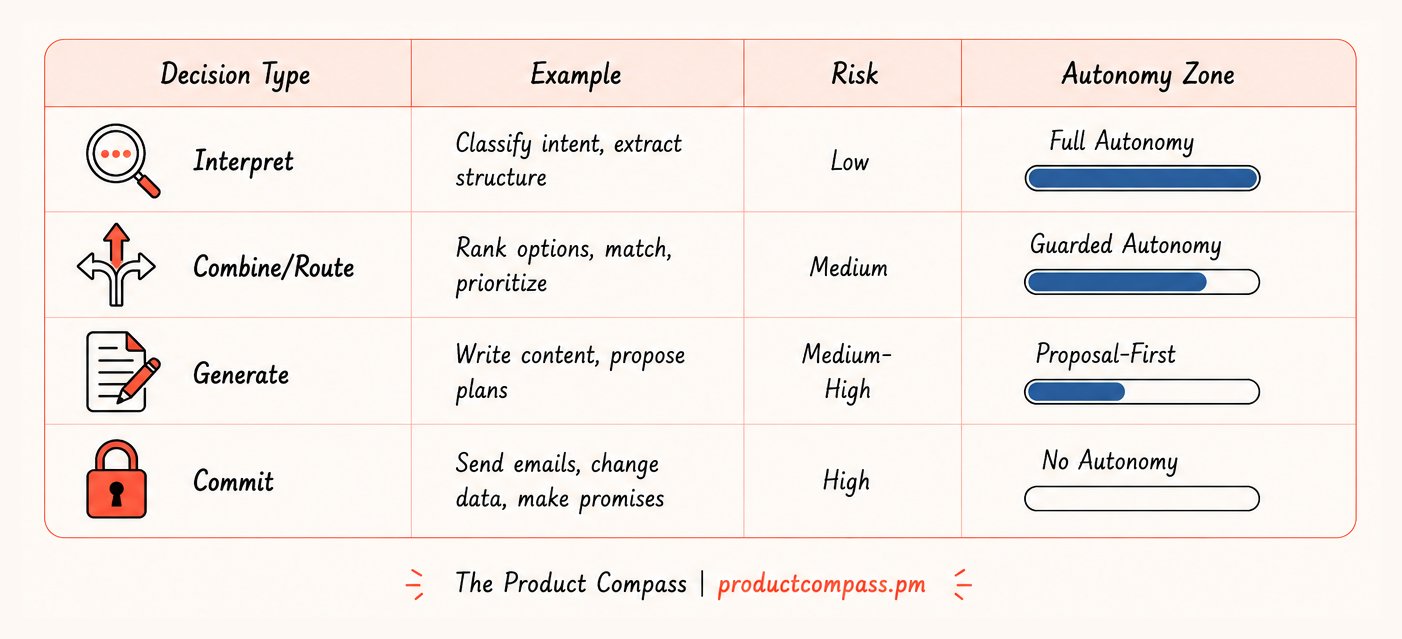
Autonomy is not binary. It is a permission model:
- Full Autonomy for reversible, low-impact work
- Guarded Autonomy for visible but manageable risk
- Proposal-First for sensitive or strategic decisions
- No Autonomy for legal, financial, irreversible, or brand-critical actions
This is where many systems fail socially rather than technically. The company still inherits the risk.
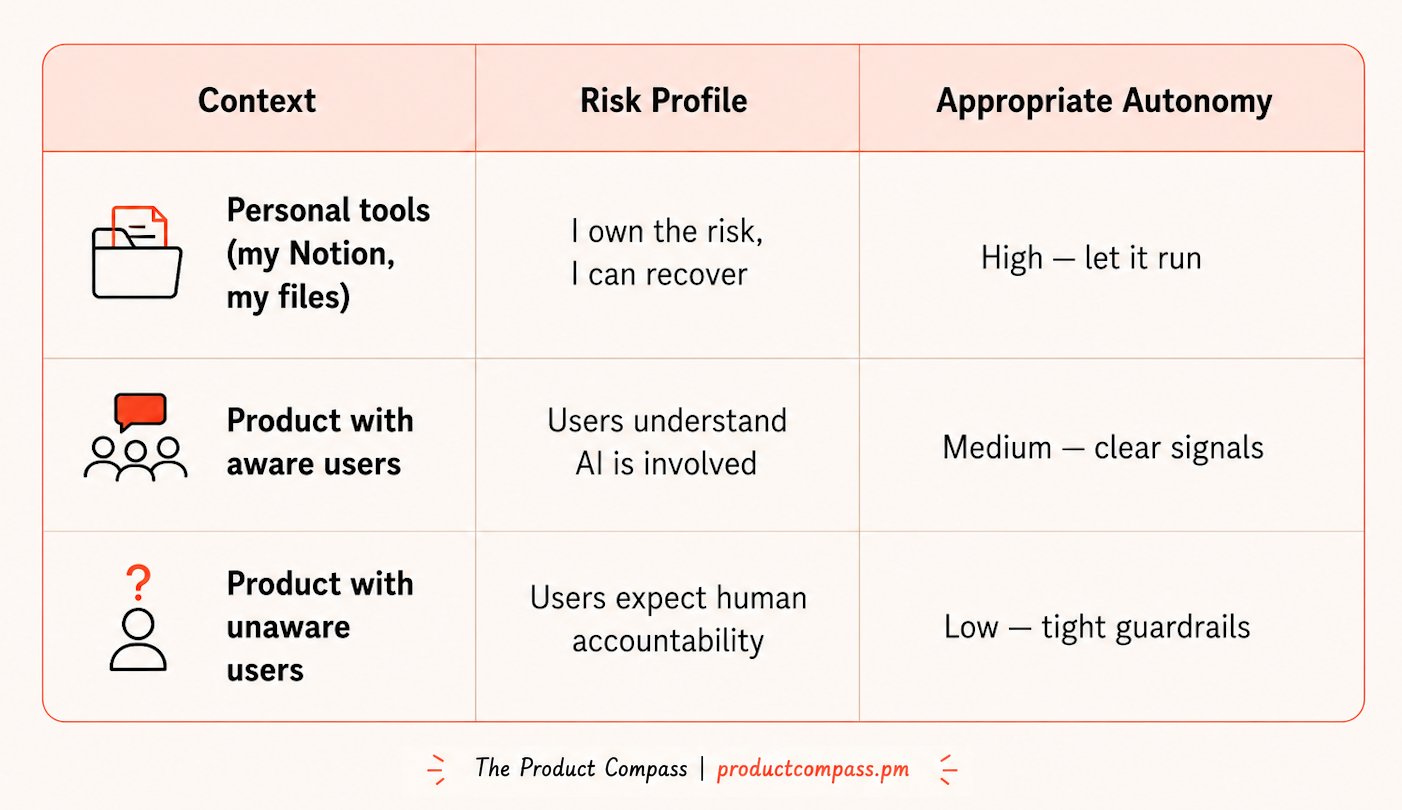
The less the user understands what the agent is doing, the tighter your autonomy boundaries should be.
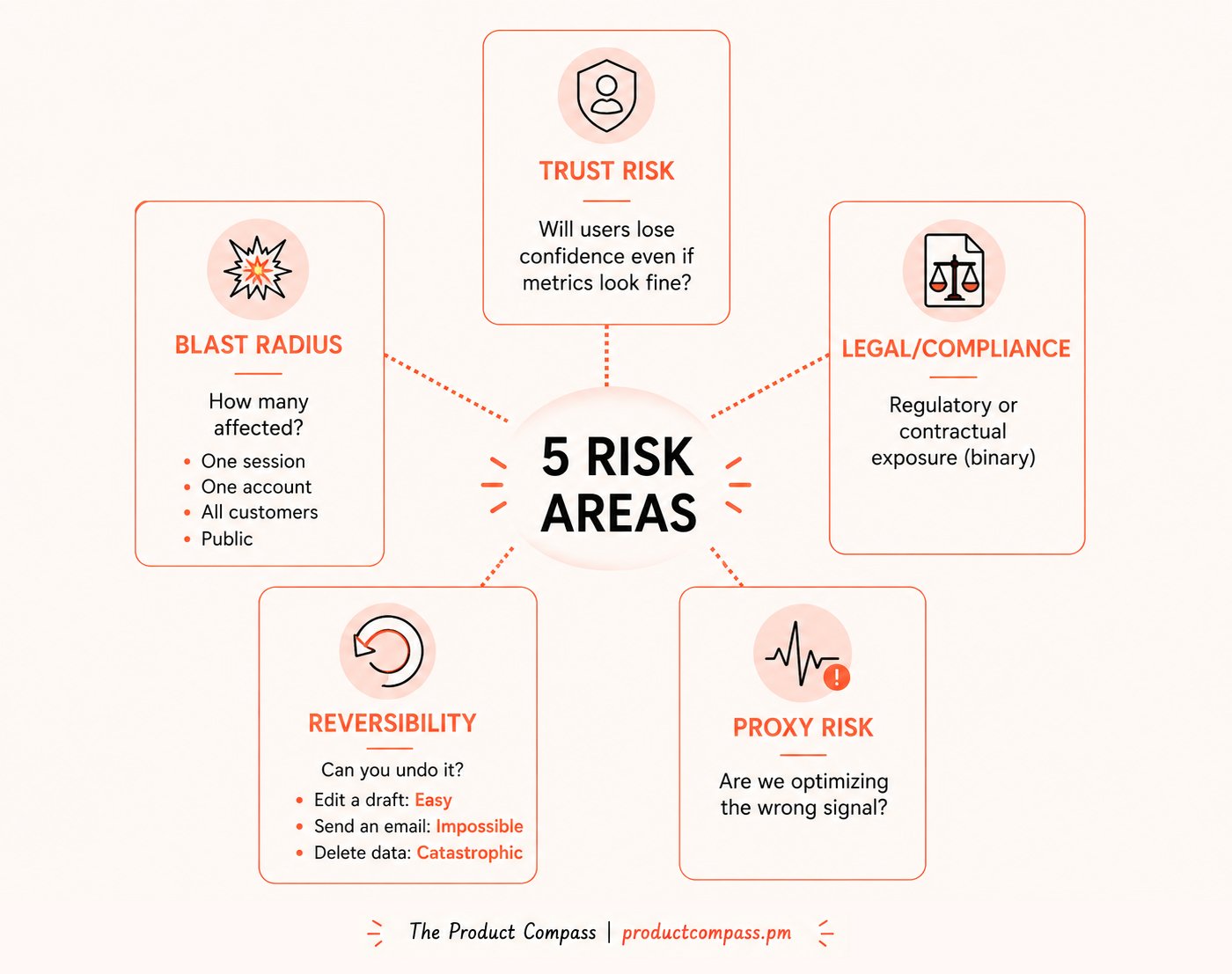
8. Stop Rules
Stop rules define how execution ends when the world does not cooperate:
- Halt
- Escalate
- Complete
Example:
Halt when:
- Conflicting constraints detected
- Confidence drops below minimum twice consecutively

Escalate when:
- Outside defined scope
- Legal or compliance topic detected
- User frustration persists

Complete when:
- Desired outcomes achieved
- User confirms resolution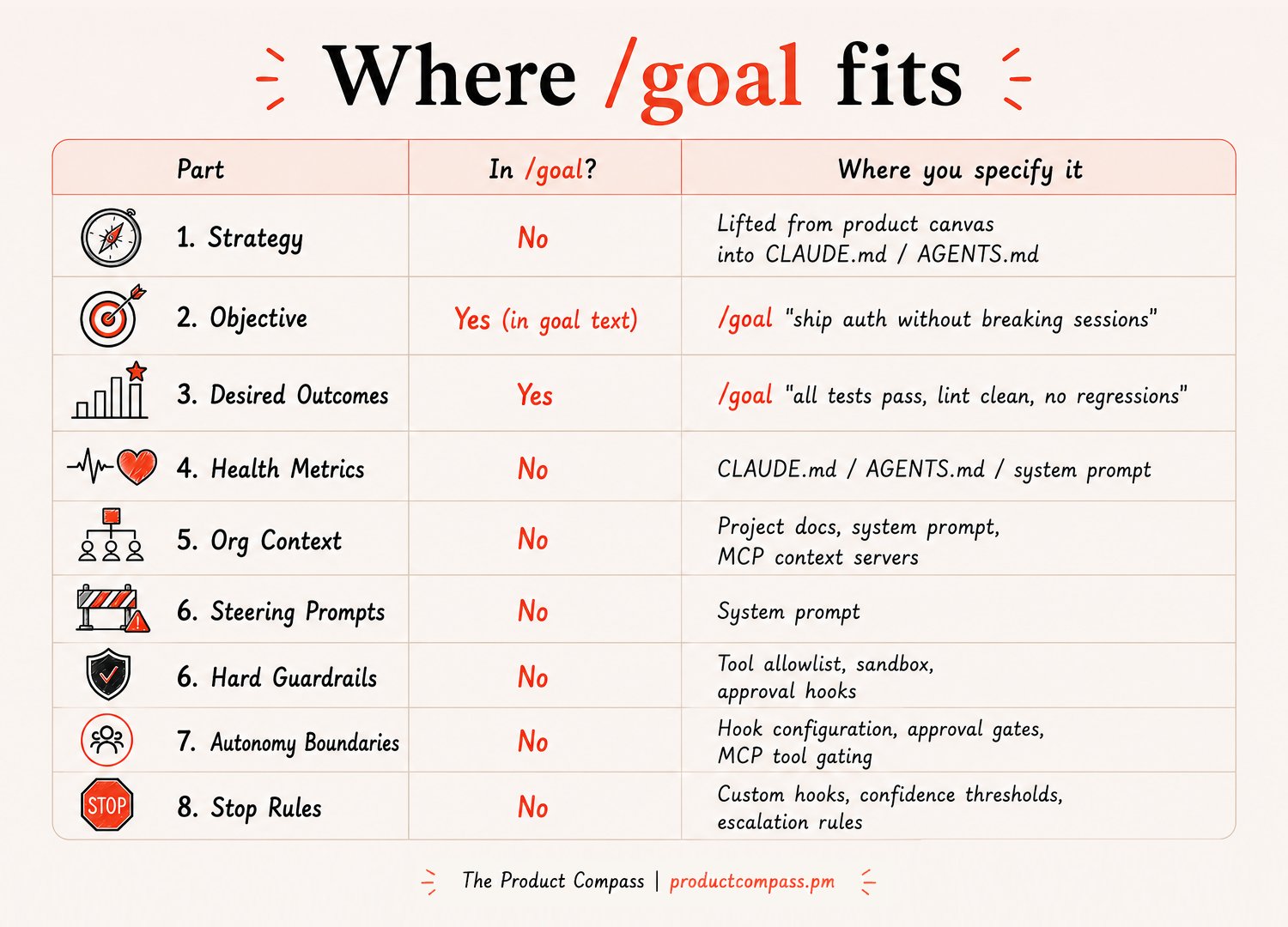
This is where /goal helps the least. It naturally supports the “complete” branch, but not the halt and escalation logic that makes autonomy safe.
Prompt layer versus orchestration layer
Not all intent belongs in the prompt. As a rough rule:
- Core context belongs in the system prompt
- Reference context belongs in retrieval
- Dynamic task context belongs in orchestration
- Non-negotiable constraints belong in code, hooks, validators, permissions, and approval gates
Teams often try to fix architecture problems with better wording. That works only until the agent is under pressure.
A short implementation checklist
If you want to pressure-test an agent after defining /goal, ask:
- What product strategy should this agent inherit?
- What outcomes prove success?
- What health metrics must not degrade?
- What context must be present for good judgment?
- Which constraints are prompt-level, and which must be enforced in code?
- Which decisions can the agent make alone?
- What should halt, escalate, or complete the run?
If those answers are missing, /goal is not enough.
Conclusion
The bigger issue is incomplete intent. /goal gives the agent a finish line, but not strategy, health metrics, context, constraints, autonomy policy, or stopping logic.
The right takeaway is not that /goal is overrated. It is that /goal is finally a good primitive, and now the rest of the architecture has nowhere to hide.